-
Hotel, Tea House, Tent
-
Car, Jeep, Flight
-
All meals during the trek
-
2-15
-
6,119 M
-
Autumn & Spring
Overview
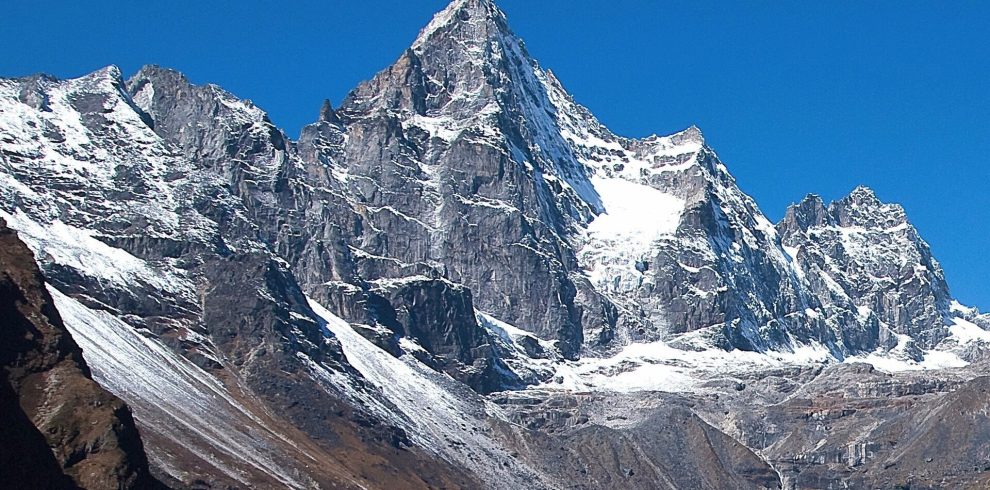
Lobuche Peak is a popular and challenging, yet achievable, climb in the Everest region of Nepal. Standing at 6,119 meters (20,075 feet), it’s an excellent peak for those looking to get into high-altitude mountaineering. The peak is situated near the Khumbu Glacier and the village of Lobuche.
Key Features of the Lobuche Climb
Lobuche has two summits: Lobuche East (6,119 meters) and Lobuche West (6,145 meters). Most climbers target Lobuche East because climbing Lobuche West is more technically demanding and requires a special permit. The route to Lobuche East is known for its challenging terrain, including rocky sections, 45-degree ice slopes, and an exposed ridge leading to the summit.
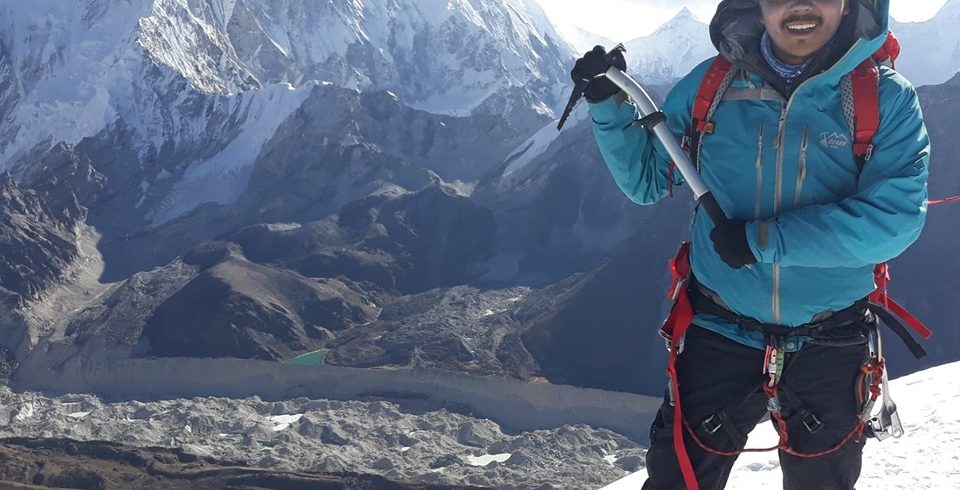
Climbers are rewarded with incredible panoramic views of the Himalayas, including Mount Everest, Lhotse, Nuptse, and Makalu.
Acclimatization and Climbing Route
To ensure a higher chance of success, many expeditions, like the one offered by Highland Expeditions, include a preparatory trek to Everest Base Camp and Kalapathar. This acclimatization trek helps climbers adjust to the high altitude before heading to Lobuche Peak’s high camp. At the high camp, a climbing clinic is often held to teach or refresh essential mountaineering skills.
The most common climbing route is the South-East Ridge. The round trip from high camp to the summit and back typically takes 8 to 12 hours. The trail presents varied terrain, including rocky parts and steep snow slopes that can reach a 45-degree incline. The exposed ridges around 5,700 meters require careful navigation. It’s highly recommended to climb with experienced guides who are familiar with the current route conditions.
Highlights
- Beginner-Friendly Peak Climbing: Lobuche Peak is considered an excellent entry point for aspiring high-altitude mountaineers. While it is a challenging climb with technical sections like rocky slabs and 45-degree ice slopes, its well-supported expedition style and climbing clinics make it suitable for those with no prior mountaineering experience.
- Stunning Himalayan Panoramas: From the 6,119-meter summit, you can enjoy a breathtaking 360-degree view of the Everest region. The panorama includes majestic mountains such as Mount Everest, Ama Dablam, Cho-Oyu, Lhotse, Nuptse, and Makalu.
- Cultural Immersion in Sherpa Villages: The trekking route to the peak passes through traditional Sherpa villages like Namche Bazaar, Tengboche, and Dingboche. This provides an opportunity to interact with the Sherpa people, learn about their unique culture, and experience their renowned hospitality.
- Encounter Diverse Flora and Fauna: The journey takes you through Sagarmatha National Park, a UNESCO World Heritage site. This protected area is home to a variety of flora and fauna, including endangered species like the snow leopard, musk deer, and red panda.
- Journey Across Glacial Terrain: The expedition includes a trek along the icy and rugged path of the Khumbu Glacier. This demanding section of the route adds to the thrilling and adventurous nature of the climb.