-
Hotel, Tea House, Tent
-
Car, Jeep, Flight
-
All meals during the trek
-
2-15
-
3,000 M
-
Autumn & Spring
Overview
The Druk Path Trek follows an ancient trading route through a stunning and varied landscape. You’ll hike through beautiful rhododendron and pine forests, across high mountain passes, and past pristine alpine lakes. The trek offers a wonderful blend of natural beauty and cultural immersion, as you encounter ancient monasteries, ruined fortresses (dzongs), and yak herder camps along the way. The trek culminates with a descent into Thimphu, Bhutan’s capital, where you can experience its unique culture and modern life. The best seasons for the Druk Path Trek are spring (March-May) when the rhododendrons are in bloom, and autumn (September-November) for clear weather and incredible mountain views.
Highlights
- Iconic Taktsang Monastery (Tiger's Nest): Many itineraries include a day hike to this legendary monastery, which is precariously perched on a cliffside. It's a sacred site and a visually stunning architectural marvel.
- Spectacular Mountain Vistas: The trek provides breathtaking panoramic views of the Himalayas. On a clear day, you can see some of Bhutan's highest peaks, including Mt. Jomolhari and the world's highest unclimbed peak, Gangkhar Puensum.
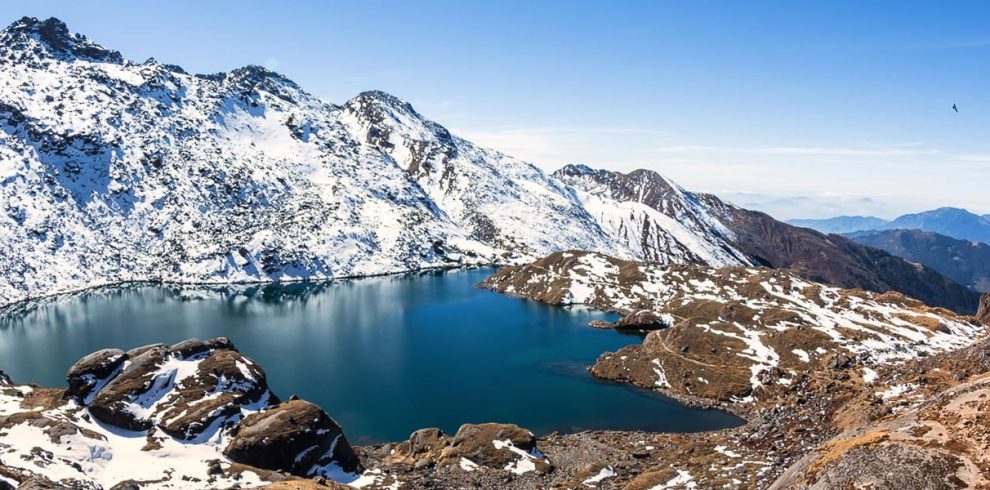
- Alpine Lakes and Scenery: You'll camp near serene high-altitude lakes like Jimilang Tsho and Simkotra Tsho. These lakes are famous for their giant trout and provide a tranquil setting with the reflection of towering peaks.
- Jele Dzong: The trek begins with a climb to the ruins of Jele Dzong, an ancient fortress situated on a high ridge. It offers stunning views of the Paro Valley and is a great reminder of Bhutan's rich history.
- Rhododendron and Pine Forests: The trail winds through dense forests of blue pine, juniper, and thick rhododendron. In the spring, these forests come alive with colorful blossoms.
- Cultural Immersion: The trek is not just about the mountains. You'll get a glimpse into the local way of life by passing through yak herder camps, visiting remote monasteries and meditation retreats, and experiencing the traditional architecture and spiritual atmosphere of Bhutan.