-
Hotel, Tea House, Tent
-
Car, Jeep
-
All meals during the trek
-
2-15
-
3,840 M
-
Autumn & Spring
Overview
The “Last Forbidden Kingdom”
The term “forbidden kingdom” is often used to describe Upper Mustang, and for good reason. For centuries, it was a separate kingdom with a distinct culture, and its doors were only officially opened to a limited number of foreign trekkers in 1992. This long period of isolation has allowed the region to preserve its ancient Tibetan Buddhist culture, traditions, and unique way of life, untouched by modern influences. This makes it a fascinating destination for those seeking a deep cultural immersion.
A Unique Landscape
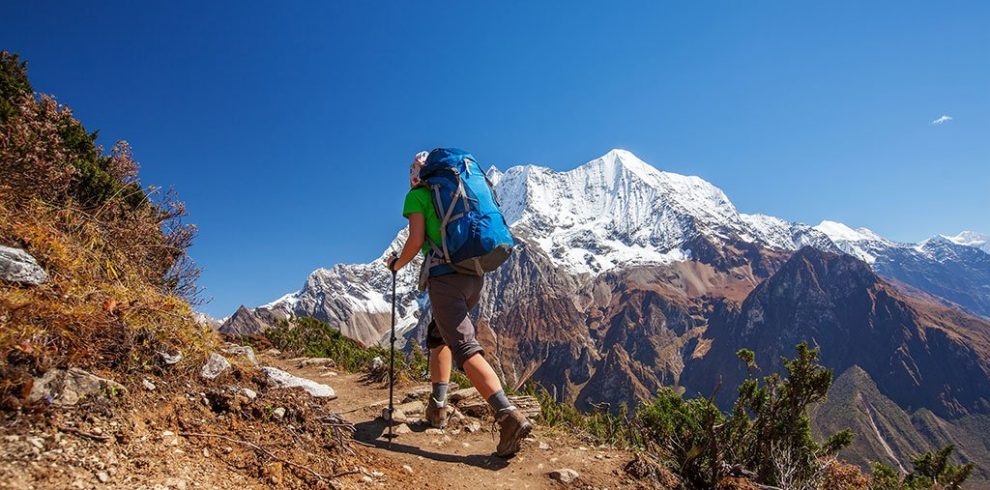
The landscape of Upper Mustang is unlike any other in Nepal. Lying in the rain shadow of the Dhaulagiri and Annapurna massifs, it is a high-altitude desert. Instead of lush green forests, you’ll find a stunning semi-arid landscape with dramatic eroded cliffs, deep canyons, and vibrant, multi-colored rock formations. The contrast between this barren terrain and the snow-capped Himalayan peaks in the distance is breathtaking. The trek follows the Kali Gandaki River, which has carved the deepest gorge in the world, adding to the dramatic scenery.
The Journey to Lo Manthang
The ultimate destination of the trek is Lo Manthang, the walled capital of the ancient Kingdom of Lo. The journey to this hidden city is an adventure in itself, often following the western bank of the Kali Gandaki River and returning along the less-trodden eastern side. This offers a true “circuit” experience, where you get to see different perspectives of the landscape and visit a variety of villages. The trek to Lo Manthang is not just a hike; it’s a pilgrimage through an ancient trade route, and upon arrival, you can explore the city’s old monasteries, royal palace, and surrounding cave dwellings.
Difficulty and Trekker Numbers
While the trek is considered moderate in difficulty, it’s important to be prepared. The main challenges are the high altitude (often trekking at or above 3,000m), long walking hours (5-7 hours a day), and the dry, dusty, and often windy conditions. However, the trails are generally well-defined, and the highest point reached is typically around 4,000 meters, which is lower than the high passes on treks like the Everest Base Camp or Manaslu Circuit. The limited number of permits issued each year (around 800 trekkers) ensures that the trails are not crowded, providing a peaceful and solitary experience for serious trekker
Permits and Logistics
The Upper Mustang Trek is a restricted area trek, which means you cannot trek alone. You are required to trek with a licensed guide and a group of at least two trekkers. A special, and expensive, permit is required, which costs $500 USD for the first 10 days, with an additional cost for extra days. This fee, along with the required guide, helps to control the flow of tourists and preserve the region’s delicate culture and environment.
Best Time to Go
The best seasons for the Upper Mustang Trek are spring (March to May) and autumn (September to November). However, because it lies in the rain shadow, the region is also a fantastic destination during the monsoon season (June to August) when the rest of Nepal is wet. This makes it a great option for trekkers who can only travel during the summer months.
Highlights
- Lo Manthang, the Walled City: The ultimate destination of the trek, Lo Manthang is the ancient capital of the former Kingdom of Lo. It's a living medieval town with narrow alleyways, ancient monasteries, and a four-story royal palace. Exploring this city offers a unique glimpse into a culture that has remained isolated and well-preserved for centuries.
- Unparalleled Tibetan-Influenced Culture: The trek is a journey through a unique cultural landscape. You'll witness the daily lives of the local Loba people, whose traditions, language, and way of life are deeply influenced by Tibetan Buddhism. The area is filled with gompas, chortens, and prayer flags, creating a deeply spiritual atmosphere.
- Spectacular High-Altitude Desert Landscape: The trek's most striking feature is its surreal, semi-arid environment. Lying in the rain shadow of the Himalayas, the landscape is a dramatic contrast to other parts of Nepal. You'll walk through canyons, see vibrant, multi-colored rock formations, and witness the stunning view of barren, eroded cliffs against the backdrop of snow-capped peaks like Annapurna and Dhaulagiri.
- Ancient Sky Caves and Cliffside Monasteries: A major highlight of the region is its mysterious man-made caves carved into the cliffs. These "sky caves" were used for various purposes over millennia, including homes, meditation retreats, and burial sites. Exploring a complex like the five-story Jhong Cave near Chhoser offers a profound sense of history and mystery.
- A Trek Free from Monsoon Rain: Because of its location in the Himalayan rain shadow, Upper Mustang is one of the few places in Nepal where you can trek during the monsoon season (June to August) without worrying about constant rain. This makes it an ideal destination for those who want to experience the Himalayas during the summer months.