-
Hotel, Tea House, Tent
-
Car, Jeep, flights
-
All meals during the trek
-
2-15
-
5,360 M
-
Autumn & Spring
Overview
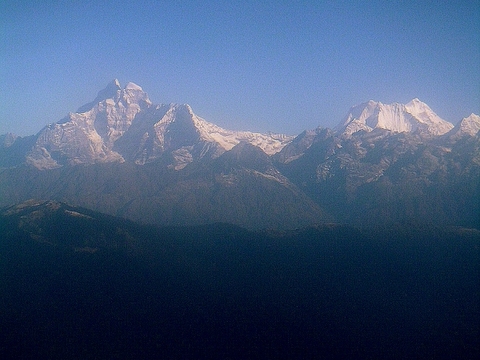
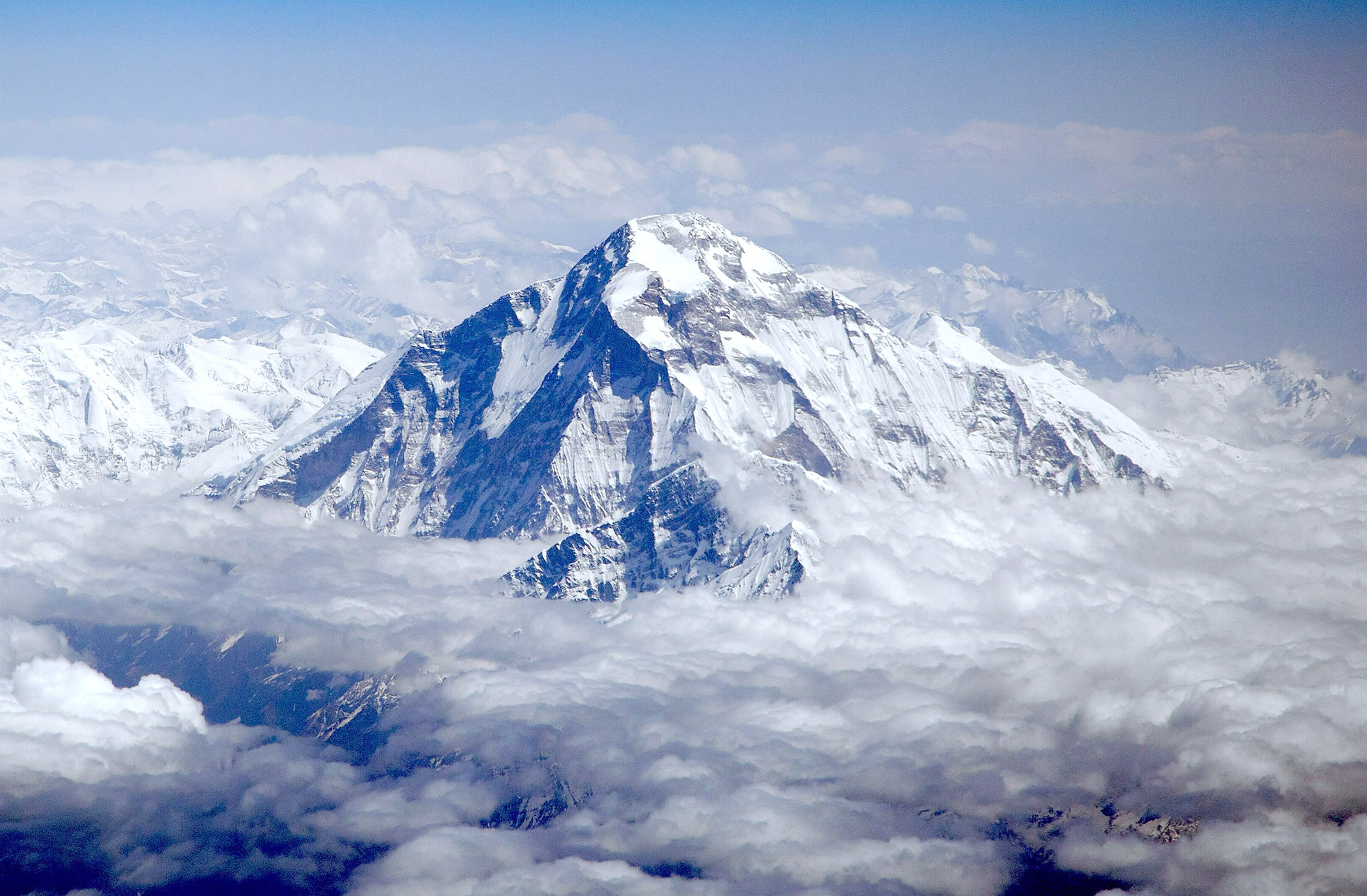
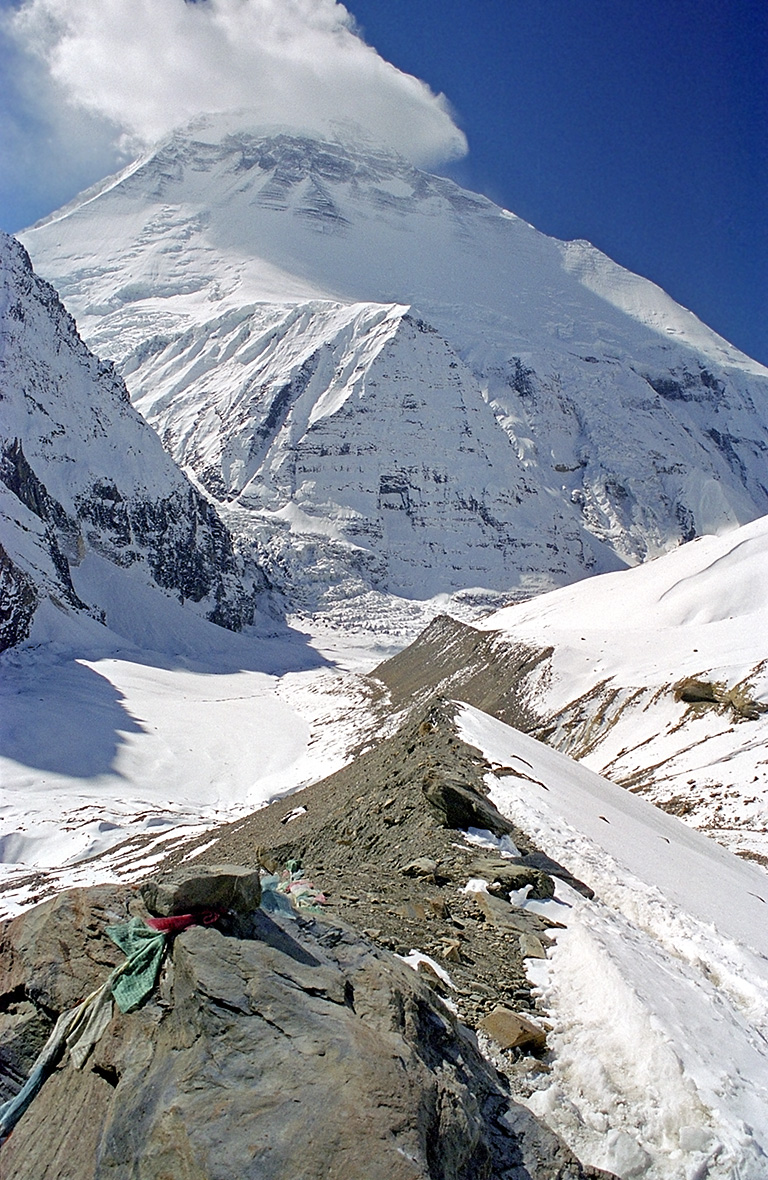
The Dhaulagiri Circuit Trek is widely considered one of the most challenging and rewarding “off-the-beaten-path” adventures in Nepal. This expedition circumnavigates Dhaulagiri I (8,167m)—the seventh highest mountain in the world—crossing two high passes over 5,000m: French Pass (5,360m) and Dhampus Pass (5,240m).
The Vertical Himalaya package typically spans 18 days, utilizing a combination of teahouse lodging in the lower regions and full-service camping in the high-altitude glacial zones.
Highlights
- True Wilderness Experience: One of the least-trodden routes in Nepal, offering solitude and raw Himalayan beauty far from the crowds of Everest or Annapurna.
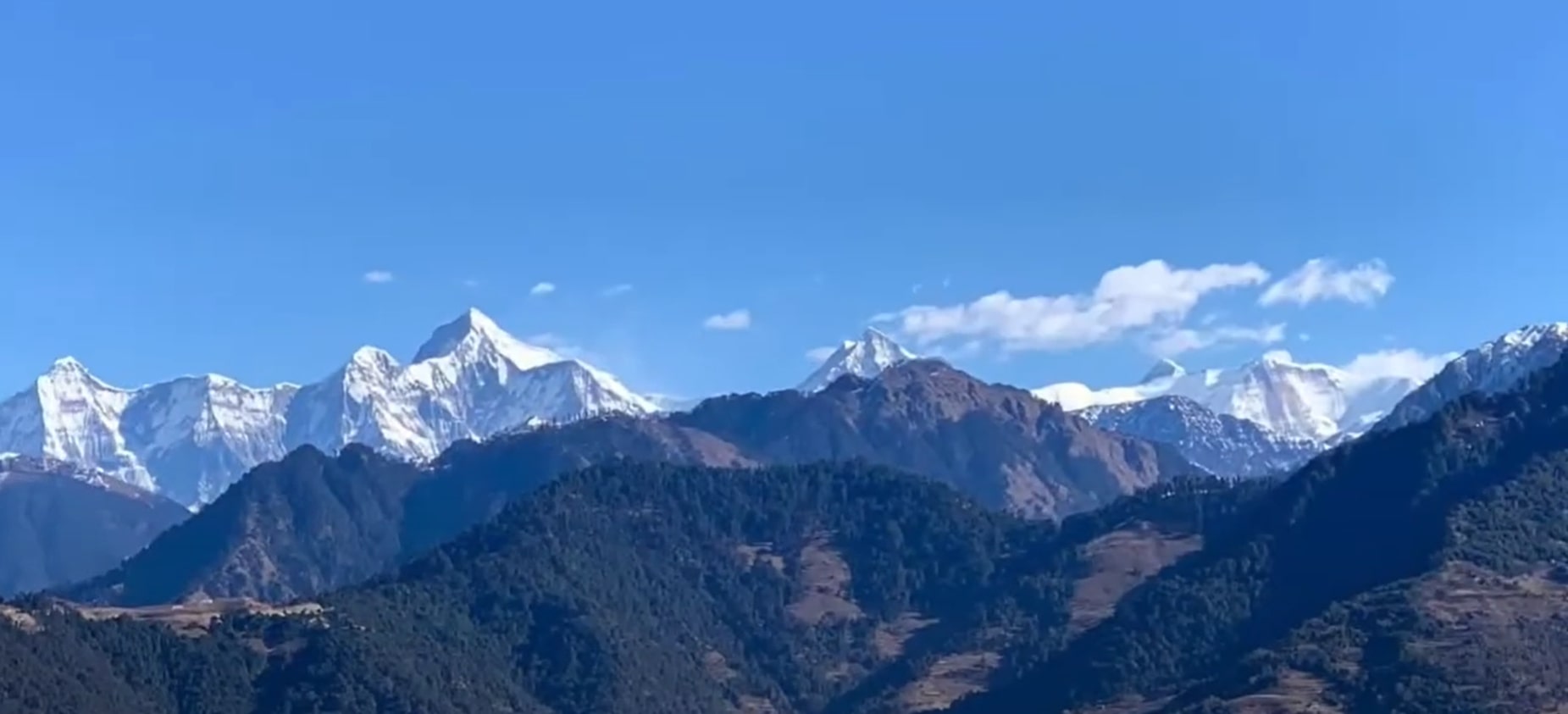
- High Pass Conquests: Cross the formidable French Pass (5,360m) and Dhampus Pass (5,240m) for unparalleled views of the Dhaulagiri and Annapurna massifs
- Glacier Camping: Spend nights on the Chhonbardan Glacier and in the "Hidden Valley," a pristine high-altitude basin that feels like another world.
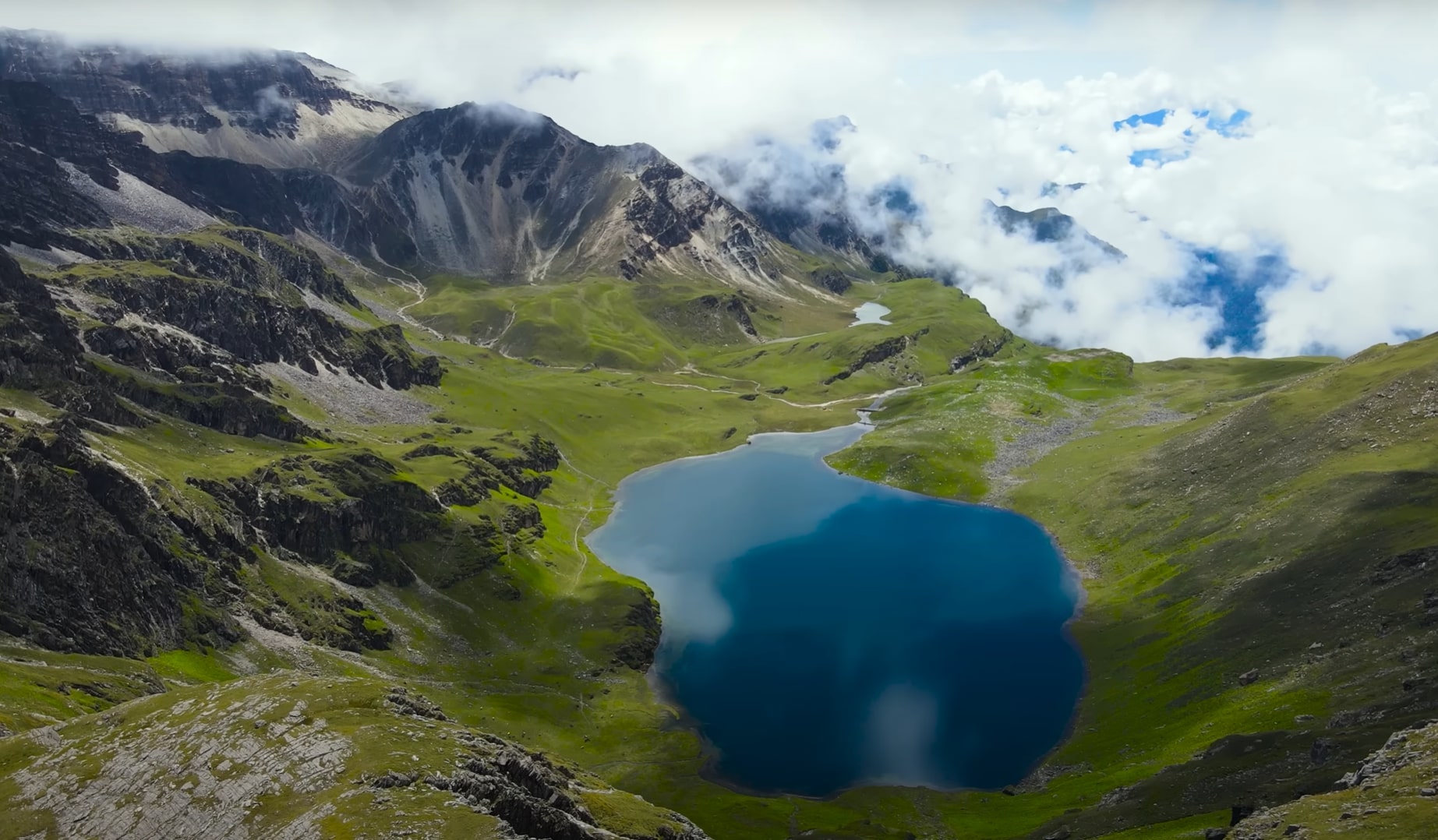
- Diverse Landscapes: Transition from lush subtropical forests and terraced Magar villages to stark, arctic-like glacial environments.
- Proximity to 8,000m Peaks: Stand directly beneath the massive ice walls of Dhaulagiri I and witness the dramatic Tukuche Peak and Nilgiri range.
Itinerary
Upon arrival at Tribhuvan International Airport, you will be transferred to your hotel. The evening is yours to soak in the atmosphere of the capital before your long journey begins. Meals: None | Max Elevation: 1,350m
While we process your restricted area permits, you can explore the ancient Durbar Squares or Pashupatinath. A pre-trip meeting in the evening will introduce you to your crew and gear requirements. Meals: B | Max Elevation: 1,350m
A scenic drive (or optional flight) to the lakeside city of Pokhara.Duration: 6-7 hrs drive | Max Elevation: 820m
A scenic 6–7 hour drive along the Trishuli and Marsyangdi rivers brings you to the lakeside city of Pokhara. You can enjoy a quiet evening by Phewa Lake.Duration: 6-7 hrs drive | Max Elevation: 820m
The trail follows the Myagdi Khola river, passing through several Magar settlements. You will cross a few suspension bridges and ascend gradually to the village of Muri. Duration: 5-6 hrs | Max Elevation: 1,850m
Descend steeply to a stream and then climb back up to a ridge. The trail becomes more rugged as you pass through subtropical forests and small hamlets to reach Boghara. Duration: 6-7 hrs | Max Elevation: 2,080m
Today’s walk involves navigating dense bamboo and rhododendron forests. The path can be narrow and slippery as it clings to the side of the Myagdi Khola valley. Duration: 6 hrs | Max Elevation: 2,520m
Leave the forest behind as the valley opens up. You will reach Italian Base Camp, located directly at the foot of the massive West Face of Dhaulagiri. Duration: 6-7 hrs | Max Elevation: 3,660m
A vital day for safety. It is recommended to hike toward the glacier to help your body adjust to the thin air before heading into the high glacial zone. Max Elevation: 3,660m
The most technical trekking day. You will traverse a narrow, steep canyon (prone to rockfall) and move onto the Chhonbardan Glacier. You will camp on the ice/moraine. Duration: 4-5 hrs | Max Elevation: 4,200m
A slow walk along the glacier moraine brings you to the Dhaulagiri Base Camp. The campsite offers a staggering $360$-degree view of the Dhaulagiri peaks and massive icefalls. Duration: 5-6 hrs | Max Elevation: 4,740m
The highlight of the trek. A steep climb over the glacier leads to the summit of French Pass. From the top, descend into the vast, snowy amphitheater known as the Hidden Valley. Duration: 7-8 hrs | Max Elevation: 5,360m
This day is used as a buffer for poor weather or as a rest day. If the weather is clear, you can explore the valley or attempt a hike toward Dhampus Peak. Max Elevation: 5,140m
Cross the second major pass of the circuit. While not as high as French Pass, it offers spectacular views of the Annapurna range. Followed by a long, steep descent to Yak Kharka. Duration: 7-8 hrs | Max Elevation: 5,240m
A steep descent leads you into the Kali Gandaki Valley and the village of Marpha. From there, it is a flat, windy walk to Jomsom, the district headquarters of Mustang. Duration: 5 hrs | Max Elevation: 2,720m
Take a 20-minute morning flight from Jomsom to Pokhara, followed by a connecting flight back to Kathmandu. Max Elevation: 1,350m
A free day for souvenir shopping or visiting the markets in Thamel. A farewell dinner with the trekking crew is typically held in the evening. Max Elevation: 1,350m
Transfer to the airport for your international flight home.
Cost
The Cost Includes
- Flights: Jomsom – Pokhara – Kathmandu domestic flights.
- Permits: ACAP (Annapurna Conservation Area) and TIMS card.
- Logistics: Full camping equipment (dining, toilet, and sleeping tents) for the high-altitude sections.
- Staff: Experienced trekking guide, cook, kitchen staff, and porters.
- Meals: All meals during the trek; Breakfast in Kathmandu and Pokhara.
The Cost Excludes
- International airfare and Nepal Visa fee ($50$).Personal trekking gear (4-season sleeping bag, down jacket).Travel insurance (must include emergency helicopter evacuation up to $6,000$m).Tips for the trekking crew.
Check List
The gear listed below is recommended for this kind of trips. We encourage you to get all equipment listed below for the trip and kindly ensure you check and try every equipment. You can also buy or hire the same in Kathmandu as they are available in the many trekking shops from branded to local manufacturers in Kathmandu.
Head gears:
- Sunhat X 1
- Warm hat (should cover head & ear comfortably) X 1
- Buffs X 2
- Sunglasses (High-quality, UV-blocking sunglasses with good all-around protection) X 1
- Headlamp with spare batteries (200-300 lumens output) X 1
Upper Body:
- Thermal or fleece base layer top X 2
- Trekking shirts/t-shirts (Breathable and quick-dry materials) – full sleeve x 2 and short sleeve x 2
- Mid-Layer Jacket X 2 (Lightweight downs are good as well)
- Soft-shell jacket X 1 (Water and Wind Resistant)
- Hardshell jacket with a hood X 1 (Fully waterproof shell jacket, must fit comfortably over mid layers)
- Insulated Down Jacket X 1 (provided by us at request)
Lower Body:
- Thermal or fleece base layer bottom X 2
- Trekking trousers/pants X 3
- Hardshell pants X 1 for climbing days (Non-insulated and waterproof)
- Insulated down pant (optional) X 1
Underwear:
- 4 pairs of synthetic or wool fabrics only
Hand Wear:
- Liner Gloves X 1
- Midweight gloves X 1
- Expedition Down Mittens (Leather Palm) X 1
Foot Wear:
- Waterproof Hiking Boots (Preferably full to protect/support your ankle) X 1
- Double Layer Mountaineering Boot X 1
- Hiking socks X 4 pairs medium to heavy (synthetic and wool)
- Summit socks X 2
- Liner socks X 2
- Gaiter X 1 Pair
- Flip flop or Sneaker (To wear at teahouses and in city)
- Down booties (Optional)
Climbing Gears:
- Helmet
- Ice Axe
- Crampons
- Harness
- Carabiners (2 X Screw Gate and 2 X Snap Gate )
- Belay Device X 1
- Ascender/Jumar (Large Handle)
- Prussik Cord
- Safety Cord (2 m length)
Gears / Personal equipment:
- Daypack 40-45 liters (For both trekking and climbing)
- Duffel bag (provided by us at request)
- Down Sleeping bag (-20 C rated) with compression sack (provided by us at request)
- One litre capacity water bottle X 2 (Nalgene)
- Insulated Cover for Water bottle X 1
- Trekking poles
- Camera with charger or spare batteries
- Personal snacks, comfort foods, energy bars and gels
- A laundry bag to keep the dirty clothes
- Padlock (Optional)
- Earplugs (Recommended for light sleeper)
- Large plastic bags to keep the clothes dry
- Extra clothes to wear in Kathmandu when you come back from trek.
Toiletries and hygiene
- Quick drying towel
- Small face towel
- Toothbrush &Toothpaste
- Face mask
- Water treatment tools
- Soap and Shampoo (Smaller bottle)
- Face and body moisturizer
- Sunscreen SPF50+ and Lip balm SPF 30+
- Hand sanitiser/Antiseptic wipes
- Hygiene products
- Basic first aid kit
Documents:
- Passport with validity of 6 months.
- Credit cards in case of emergencies
- Travel Insurance
- Flight tickets
FAQs
It is graded as “Strenuous.” It requires previous high-altitude trekking experience, excellent physical fitness, and the ability to walk on glaciers and scree for several days.
No, it is a semi-camping trek. While the first and last few days have teahouses, the core of the trek (Italian BC to Hidden Valley) requires full camping support.
While it’s a trek, you may need crampons or micro-spikes and trekking poles for the icy sections on French Pass and the glacier, depending on the season.
In the Hidden Valley, nighttime temperatures can drop to -15°C to -20°C even in the peak trekking seasons. A high-quality 4-season sleeping bag is mandatory.
October and November provide the most stable weather and clearest views. Late April to May is also good, though there may be more lingering snow on the passes